

Comment
I am submitting this comment as a First Nation community member, a Haudenosaunee woman, and a mother raising children in the Thames River watershed. My concerns about this proposal come directly from day-to-day experiences, not abstract policy.
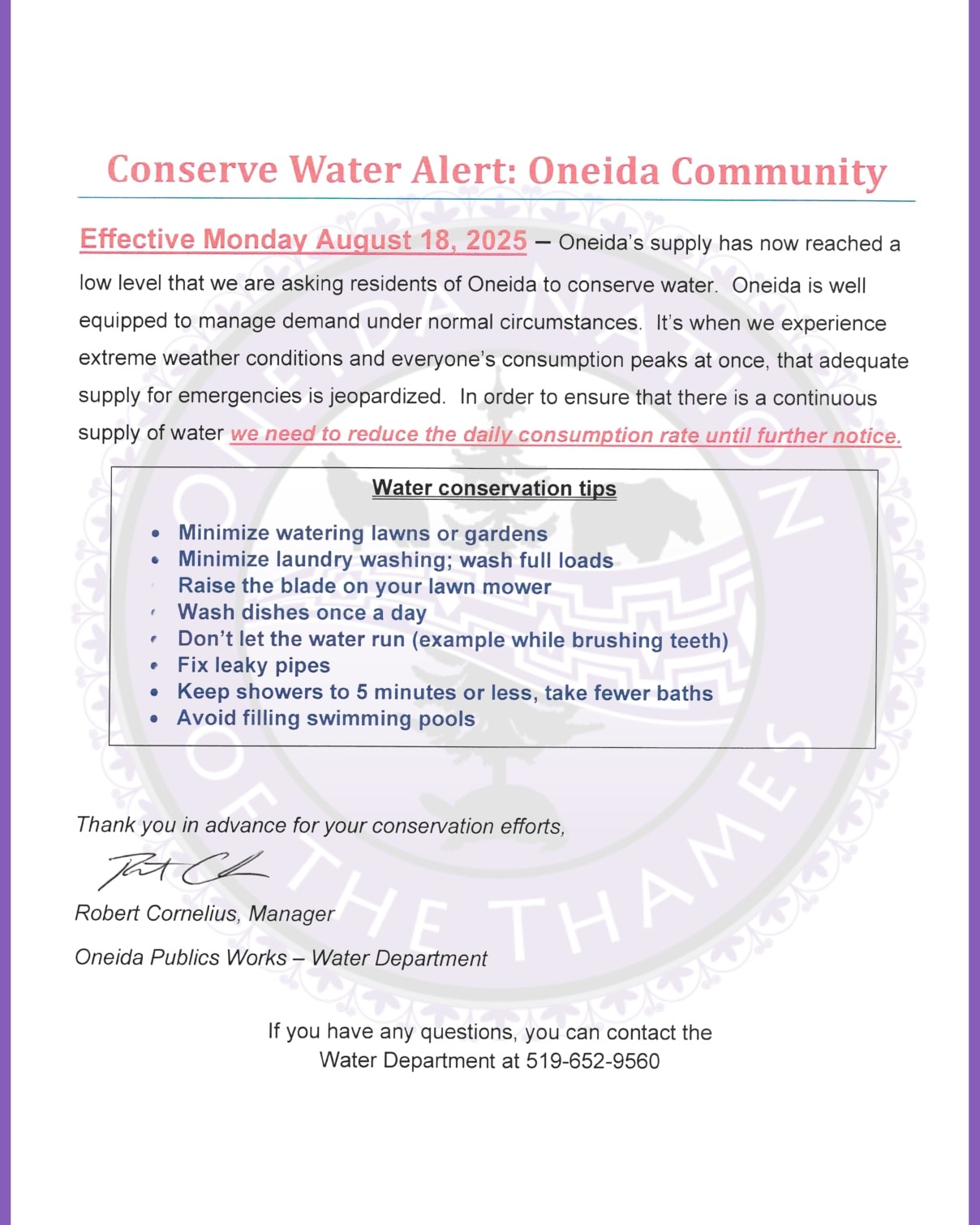
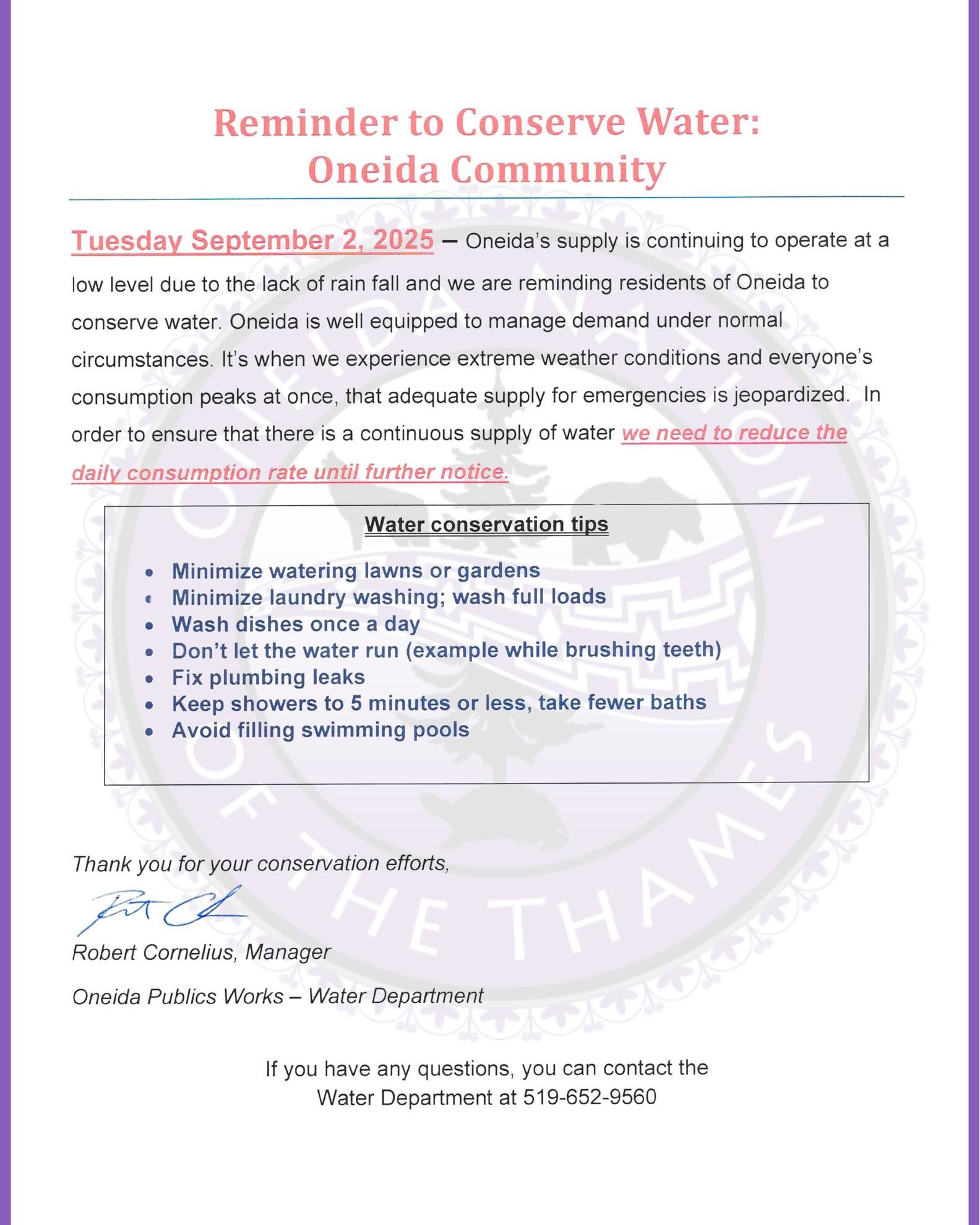
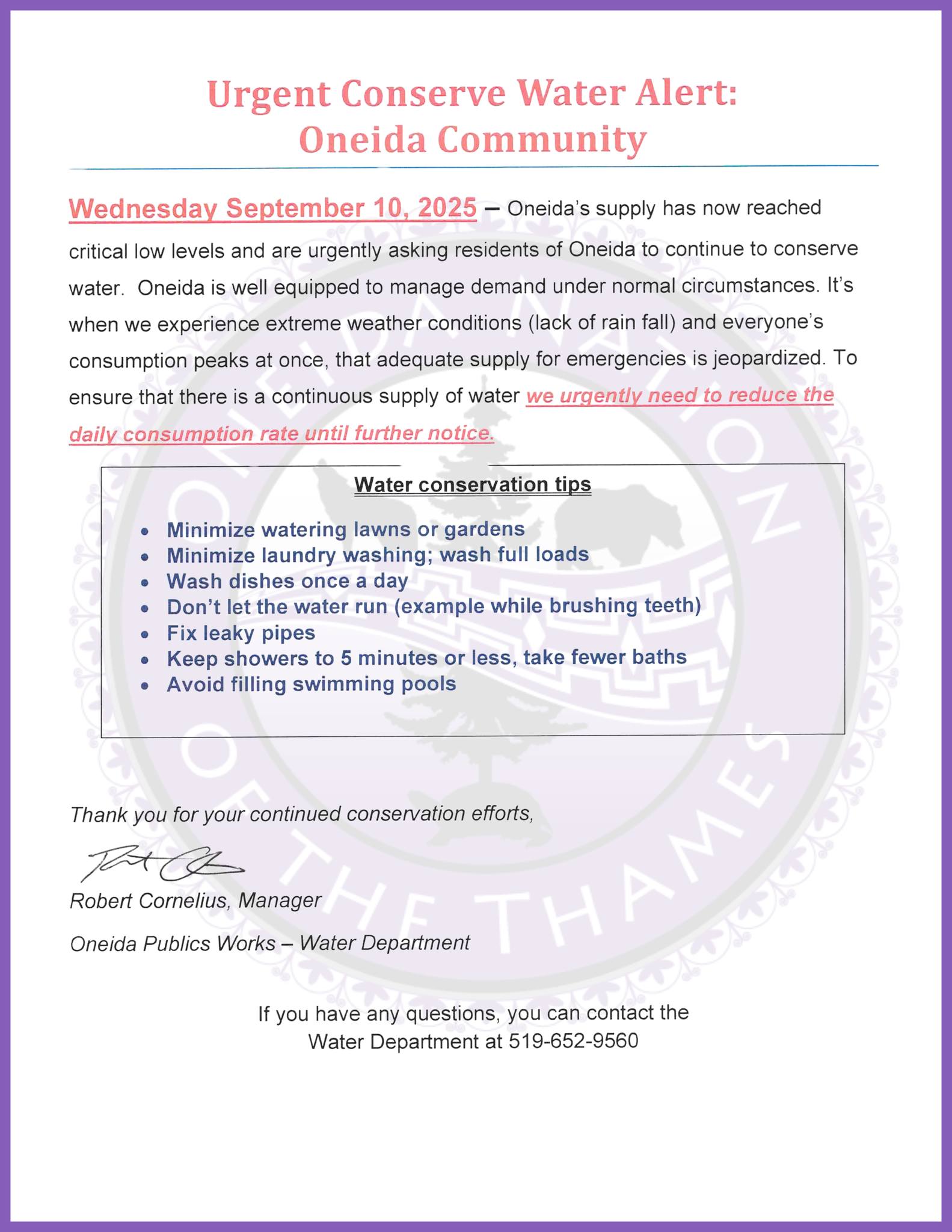
Oneida Nation of the Thames has been under a long-term boil-water advisory for years. Every week, our community ships in bottled water because Oneida's tap water is not safe to drink. This past summer, the river levels dropped so low that Oneida had to ship in water just so families could perform basic functions like flushing toilets, washing clothes, and showering. For more than six weeks, our entire community was placed under strict water-use restrictions.
At the same time, upstream - including at least seven golf courses - there were no visible water conservation measures. No notifications. No public call for conservation. Nothing. Our families were told to ration water for daily living while commercial users operated as usual. This is exactly what happens when watershed oversight is inconsistent, fragmented, and disconnected from the lived realities of downstream communities. These shortcomings occurred with the current system. How are we to have faith in a system with even less localized oversight?
The Thames River is not just a waterway. It is part of our history, our teachings, and our treaty relationships. It's a living, breathing entity. Under the One Dish One Spoon and the Silver Covenant Chain, we all share responsibility for caring for the land and water and ensuring resources are used with respect and balance. The proposed consolidation of Ontario’s 36 conservation authorities into seven large regional bodies does not reflect those treaty principles.
Centralizing oversight may look efficient on paper, but it risks undermining the local knowledge, relationships, and accountability required to protect watersheds effectively. When decisions move farther away from the people living on the river, communities like mine - especially those downstream ones - are the first to feel the consequences.
As a mother, I am deeply worried. My children are growing up in a community where boiling drinking water is normal, where bottled water has to be trucked in weekly, and where last summer we had to import additional water to maintain basic hygiene. That should never be acceptable in Ontario - and any restructuring that could weaken watershed protection or delay local intervention makes that future even more uncertain.
If the province proceeds with consolidation, there must be firm and transparent guarantees that:
• watershed protection will not be weakened or deprioritized to accelerate development
• First Nations will hold real, decision-making authority - not symbolic consultation
• local watershed science, staff capacity, and on-the-ground expertise will be preserved
• downstream communities will be protected from the impact of upstream commercial use
• transparency, equity, and climate resilience will be strengthened, not diluted
The Thames River watershed is a living system that cannot be effectively managed through broad regional structures without strong local grounding. Ontario needs more localized, community-rooted protection, not a streamlined model that risks overlooking those already facing water insecurity.
Thank you for considering this perspective grounded in lived experience, treaty responsibility, and concern for future generations.
Yaw^ko (Thank you)
Supporting documents
Submitted November 27, 2025 10:40 AM
Comment on
Proposed boundaries for the regional consolidation of Ontario’s conservation authorities
ERO number
025-1257
Comment ID
173683
Commenting on behalf of
Comment status